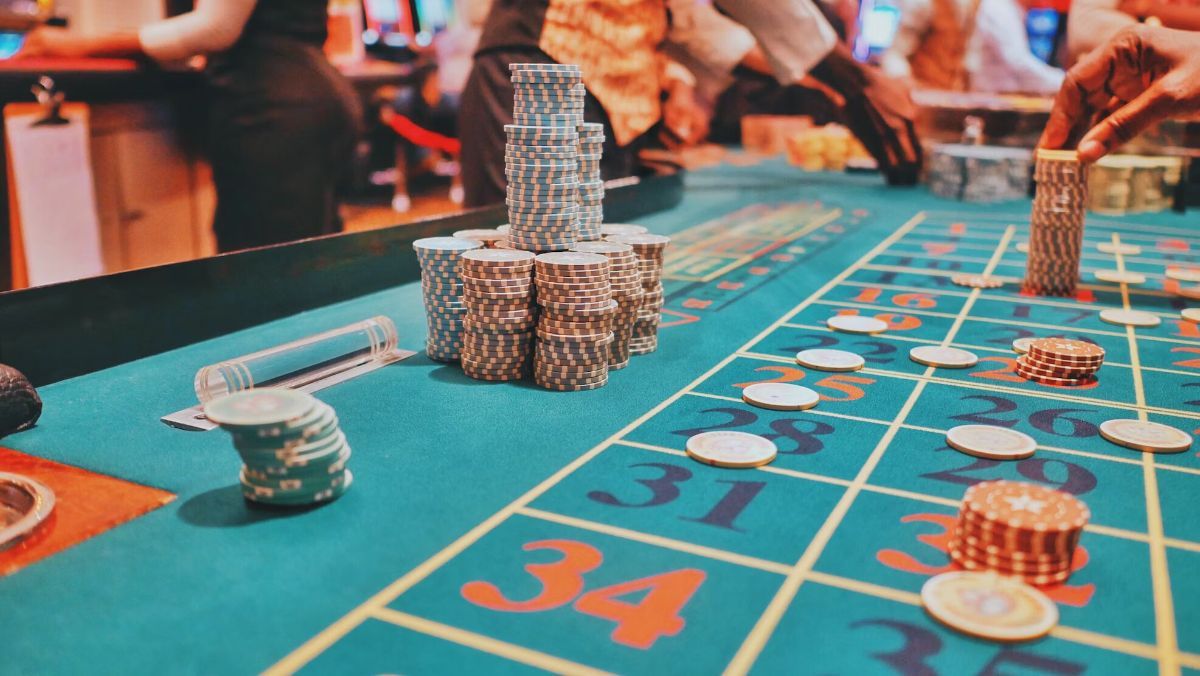
The fascinating journey of casinos tracing the historical evolution of gaming
The fascinating journey of casinos tracing the historical evolution of gaming
Origins of Gambling in Ancient Civilizations
The history of casinos and gaming can be traced back to ancient civilizations, where evidence of gambling has been found in archaeological sites across the globe. The Chinese were among the first to use dice and playing cards around 2300 BC, indicating that structured gaming was a common pastime. In addition, ancient Egyptian artifacts reveal games of chance played with betting elements, showcasing the universal allure of gambling. In modern discussions about gaming, platforms like taya 365 have emerged to cater to enthusiasts.

Similarly, the Romans embraced gaming as a form of entertainment, incorporating betting into various public events. Gladiatorial contests and chariot races often featured wagers, turning these spectacles into a thrilling fusion of sport and chance. This early integration of gambling into daily life laid the groundwork for the casinos we know today.
The Rise of Formal Casinos in Europe
Fast forward to the 17th century, the modern concept of casinos began to take shape in Europe. The first recognized casino, the Casino di Venezia, opened its doors in Italy in 1638. This venue marked a significant evolution in gaming, transforming it from informal gatherings to legitimate establishments where patrons could engage in a variety of games, including baccarat and roulette.
As the popularity of gaming spread across Europe, cities like Paris and Monte Carlo became synonymous with glamour and high-stakes gambling. The establishment of these iconic venues attracted not just the elite, but also the curious masses, contributing to the normalization and commercialization of gambling across the continent.
The American Casino Boom
The 20th century heralded a new era for casinos, particularly in the United States. The legalization of gambling in Nevada in 1931 led to the birth of Las Vegas as the world’s gaming capital. Glitzy resorts and lavish casinos sprang up, offering everything from slot machines to poker rooms. This transformation not only revolutionized gambling but also created a new cultural phenomenon, blending entertainment and risk in a unique environment.
The post-World War II era saw a significant expansion of the casino industry, with the introduction of more states legalizing gambling. This shift diversified the gaming landscape, leading to the establishment of large-scale casinos in Atlantic City and other regions. The casino industry evolved rapidly, embracing various themes and experiences to attract diverse clientele.
The Impact of Technology on Gambling
As we entered the 21st century, technology began to reshape the casino landscape profoundly. The advent of the internet introduced online casinos, allowing players to gamble from the comfort of their homes. This revolutionary shift not only broadened accessibility but also created new gaming formats, such as live dealer games and mobile gaming applications.
With advancements in virtual and augmented reality, the future of casinos looks poised for further transformation. These technologies promise to enhance the gaming experience by immersing players in virtual environments that replicate the excitement of physical casinos, thereby attracting a new generation of gamblers seeking innovative entertainment options.

Looking Ahead: The Future of the Casino Industry
As the casino industry continues to evolve, its future appears both exciting and uncertain. With the integration of blockchain technology and cryptocurrency, there is potential for increased transparency and security in gaming transactions. This shift could attract a more tech-savvy clientele and redefine trust in the casino environment.
Moreover, the continuous adaptation to regulatory changes and consumer preferences will play a critical role in shaping the industry’s trajectory. By embracing sustainability and responsible gaming practices, casinos can ensure they remain relevant and appealing to future generations of players.